
Athletic Nutrition Insights
Explore evidence-based articles on fueling your athletic performance through proper nutrition, meal planning strategies, and recovery optimization for athletes in the Philippines.
The information on this site is for educational purposes only and does not constitute medical advice. Always consult a qualified healthcare professional before making health decisions.
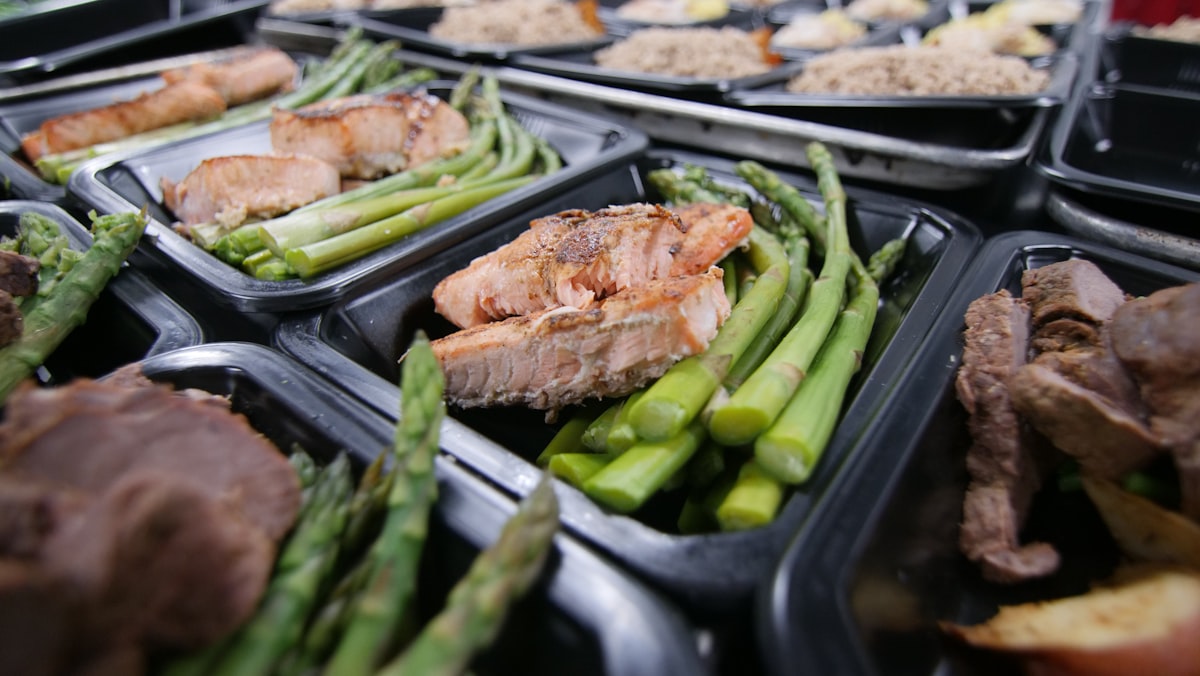
Pre-Workout Nutrition Timing for Peak Performance
Discover the science behind optimal pre-workout meal timing and composition. Learn how to fuel your body 1-3 hours before training to maximize energy availability, reduce fatigue, and support muscle engagement during intense physical activity. This comprehensive guide covers macronutrient ratios, hydration strategies, and practical meal examples tailored for athletes in tropical climates.
Read Full ArticleFilter by Category

Carbohydrate Loading for Endurance Athletes
Explore carbohydrate supercompensation techniques used by endurance athletes to build muscle glycogen stores before competition. Learn timing protocols, food sources rich in complex carbs, and how to avoid common mistakes during the loading phase.
Read More →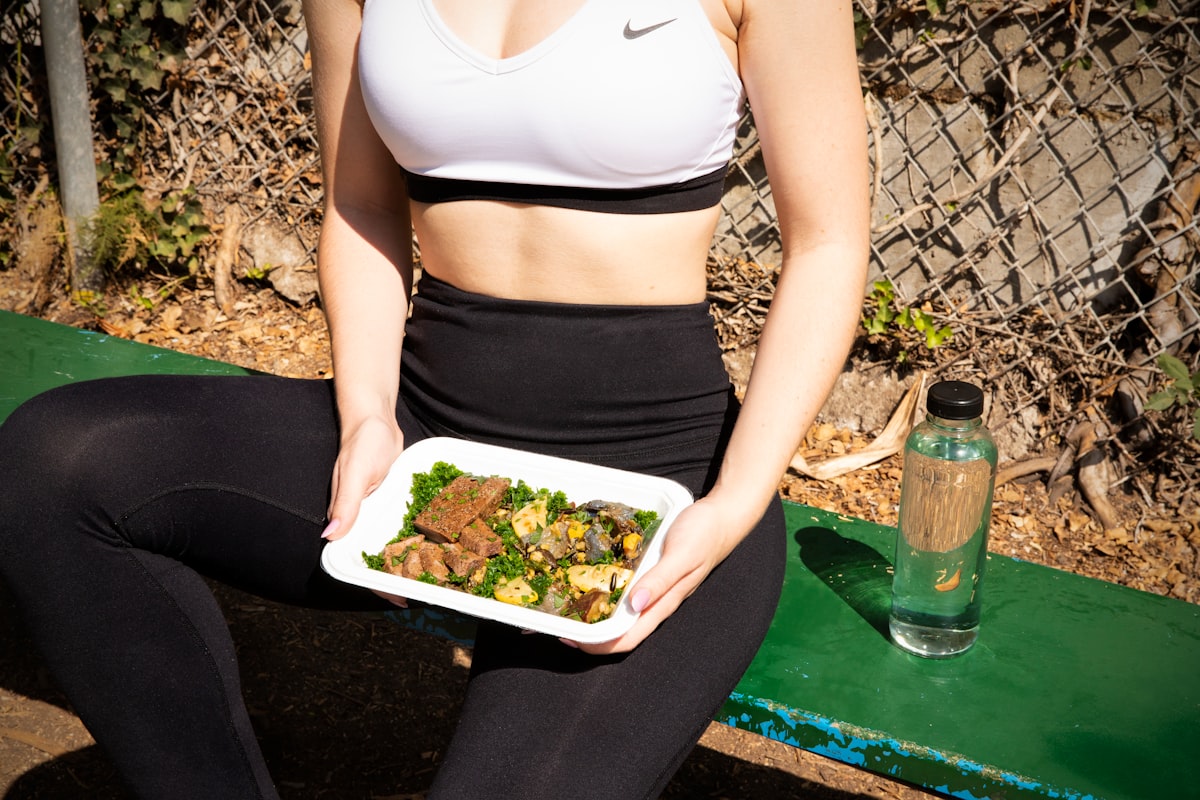
The Post-Workout Anabolic Window: Myth vs. Reality
Examine the science of post-exercise nutrient timing and muscle protein synthesis. Discover why meal composition matters more than speed, optimal protein intake for muscle recovery, and practical strategies for athletes with demanding training schedules.
Read More →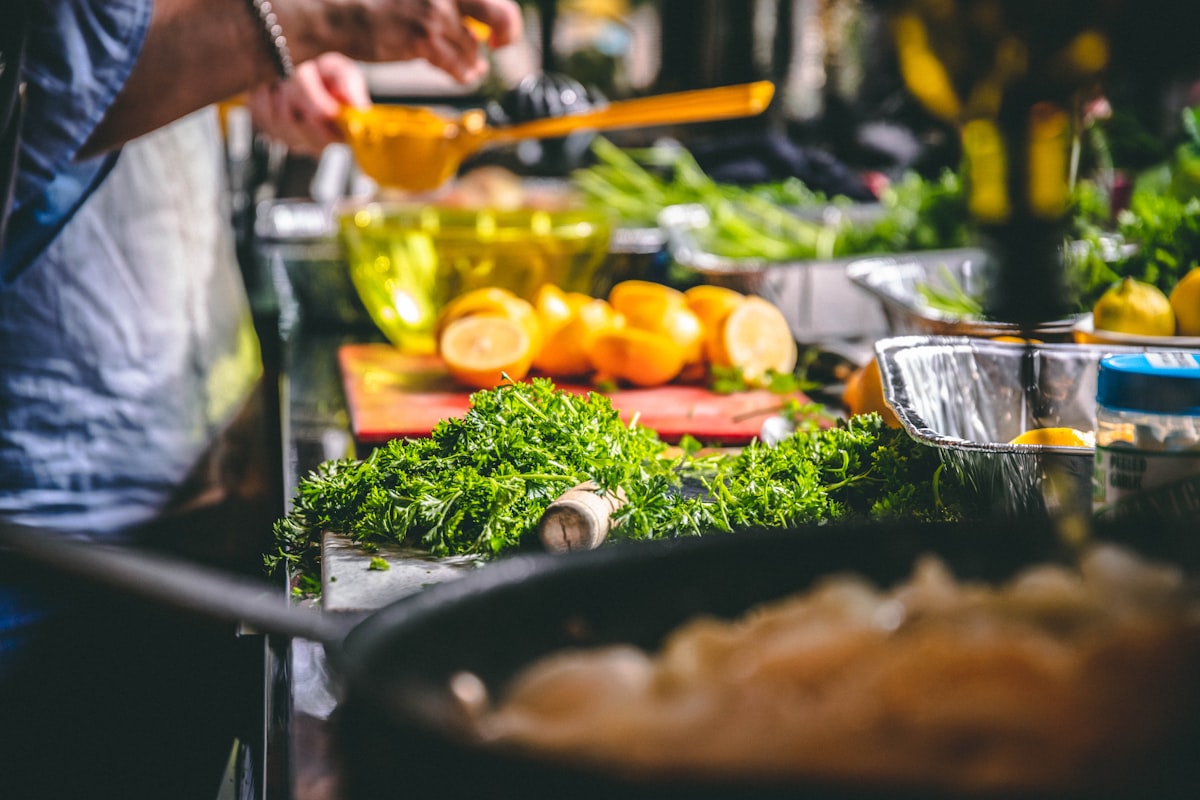
Hydration Strategies for Training in Tropical Heat
Understand sweat rate estimation and individualized fluid replacement for athletes training in the Philippines' hot, humid climate. Learn electrolyte balance, sodium timing, and how to prevent dehydration-related performance drops during intense sessions.
Read More →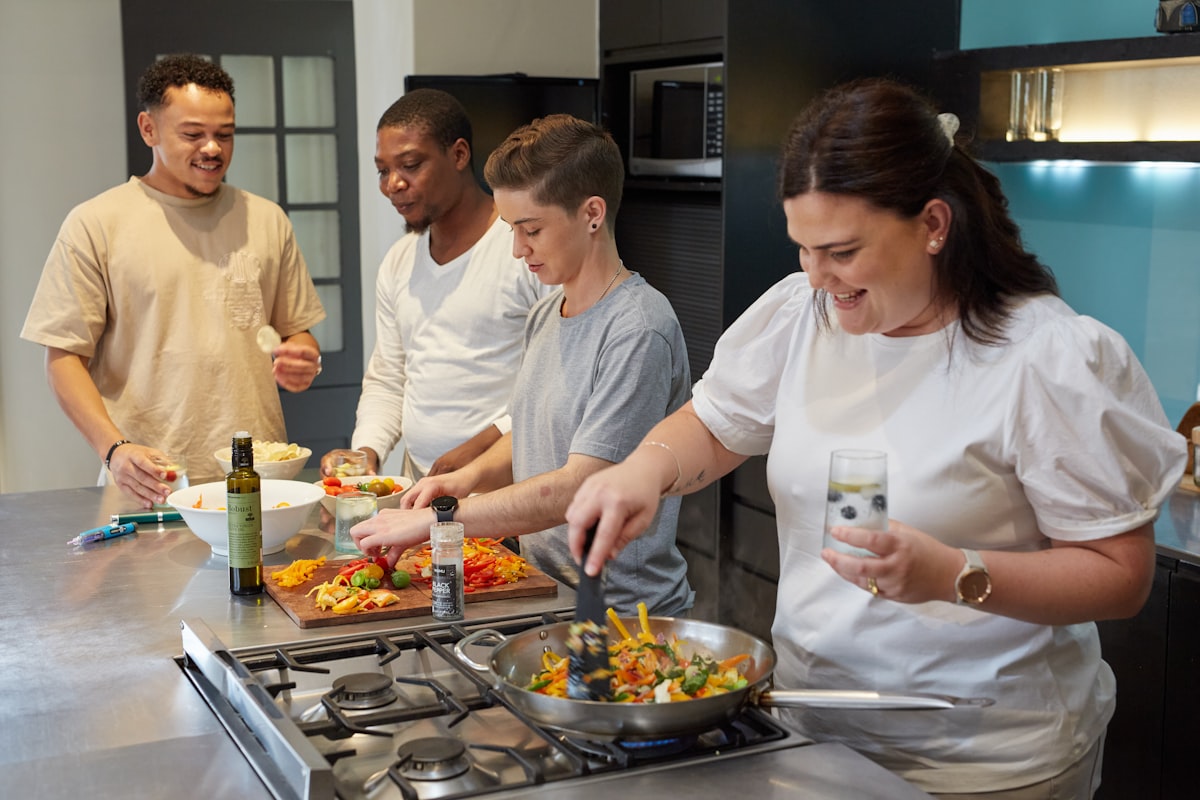
Weekly Meal Prep Systems for Busy Athletes
Master batch cooking, container portioning, and storage techniques to maintain consistent nutrition despite a packed schedule. Includes shopping strategies, equipment recommendations, and time-saving methods for preparing balanced meals throughout the week.
Read More →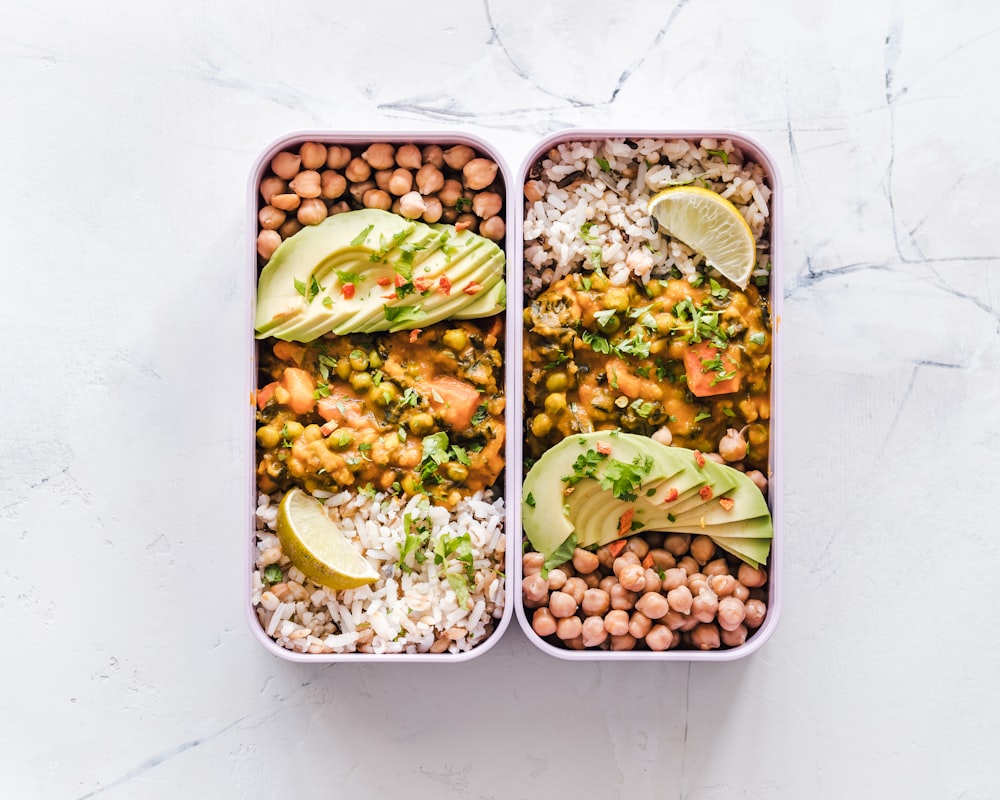
Complete Protein Strategies for Plant-Based Athletes
Explore amino acid profiles of plant proteins, protein combining techniques, and meeting leucine thresholds for muscle synthesis on a vegetarian or vegan diet. Includes practical meal planning and local Philippine protein sources.
Read More →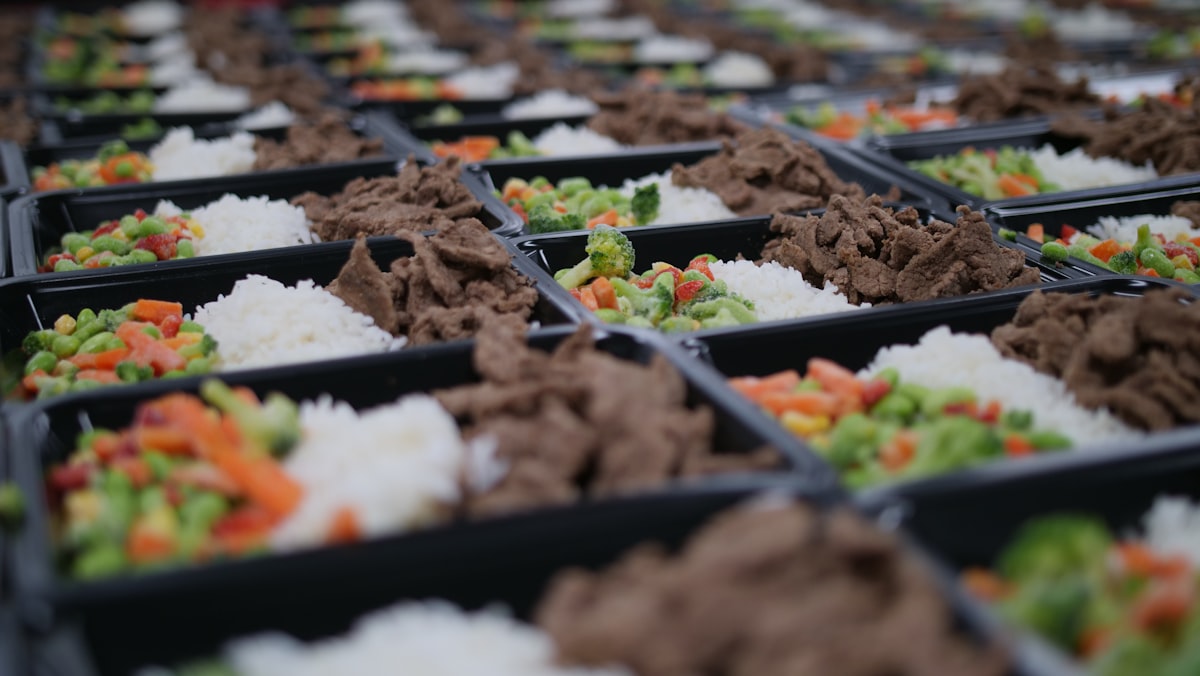
Iron, Calcium & Micronutrient Needs for Athletes
Examine increased micronutrient demands from training, food sources of key minerals, and strategies to prevent deficiencies that impact energy and recovery. Covers iron-rich meals, calcium for bone health, and magnesium for muscle function.
Read More →
Anti-Inflammatory Foods to Support Recovery
Learn how polyphenol-rich foods, omega-3 fatty acids, and antioxidant compounds influence post-training inflammation and recovery speed. Includes practical recipes, meal timing strategies, and foods to emphasize in your weekly menu.
Read More →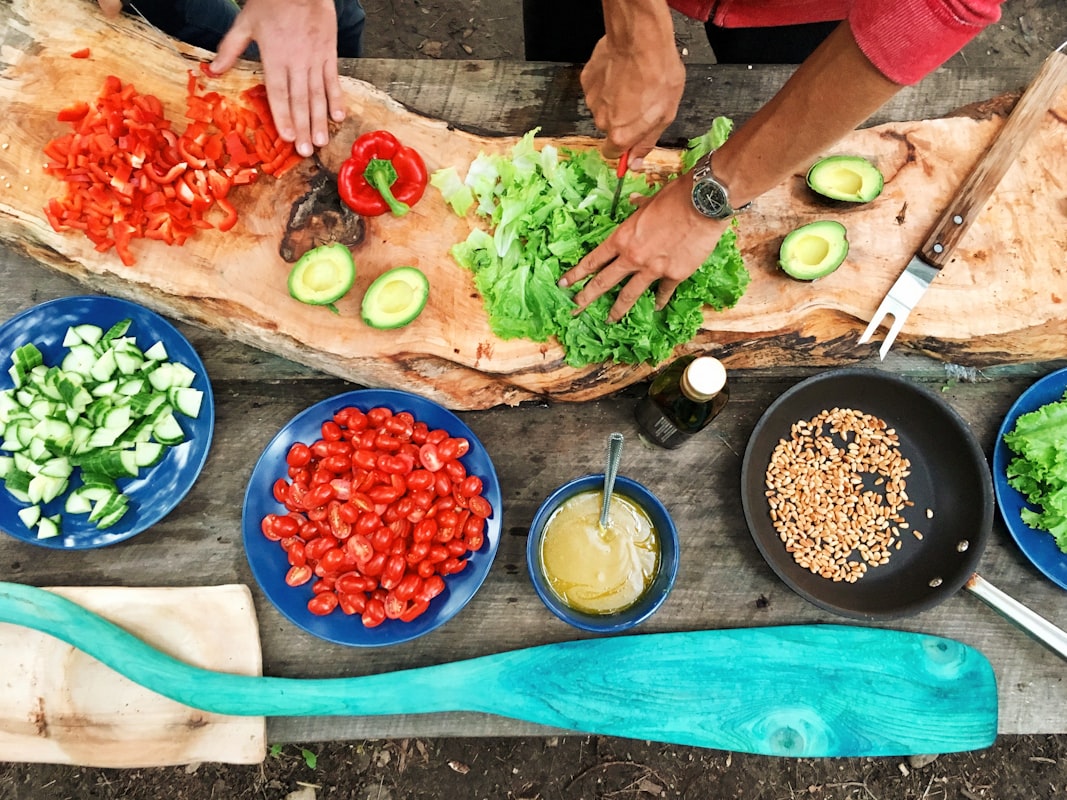
Nutrition Periodization: Eating for Your Training Phase
Understand how to align calorie intake, macronutrient ratios, and meal frequency with your current training phase—off-season building, strength blocks, or competition prep. Learn body composition management without performance compromise.
Read More →Deepen Your Athletic Nutrition Knowledge
Browse our complete library of articles covering meal planning, recovery strategies, and evidence-based nutrition for athletes. Stay updated with the latest insights in sports nutrition science.
Explore All ArticlesFrequently Asked Questions
Get answers to common questions about athletic nutrition, meal preparation, and recovery strategies.
How much protein do athletes really need daily?
Current sports nutrition research suggests 1.2 to 2.0 grams of protein per kilogram of body weight per day, depending on sport, training intensity, and goals. Endurance athletes typically require 1.2-1.4 g/kg, while strength and power athletes benefit from 1.6-2.0 g/kg. Even distribution across meals (25-40g per meal) optimizes muscle protein synthesis throughout the day.
What should I eat 2-3 hours before training?
Aim for a balanced meal with carbohydrates (40-60g), moderate protein (15-25g), and low fat to enable easy digestion. Examples include chicken with rice and vegetables, pasta with lean meat sauce, or oatmeal with banana and almond butter. Hydrate well and finish eating at least 2-3 hours before intense activity to avoid discomfort.
How can I prevent muscle soreness through nutrition?
While some muscle soreness is normal after novel or intense training, proper nutrition accelerates recovery. Consume adequate protein within a few hours post-workout, eat antioxidant-rich foods (berries, leafy greens, colorful vegetables), stay hydrated, and ensure sufficient sleep. Polyphenols from food and omega-3 fatty acids may help manage inflammation naturally.
How do I meal prep in tropical heat without food spoilage?
In the Philippines' warm climate, invest in quality insulated containers with ice packs, store meals in the coldest part of your refrigerator, and prep no more than 3-4 days in advance. Freezer-friendly components (grilled proteins, cooked grains) can be stored longer. Use airtight containers, prep smaller portions more frequently, and consider less perishable items like canned beans and nuts for emergency backup.
Do I need special sports drinks or is water enough?
For activities under 60 minutes, water is typically sufficient. For intense training or competition lasting over an hour, sports drinks containing 6-8% carbohydrates and electrolytes (sodium, potassium) help maintain blood glucose and delay fatigue. You can make your own with water, a pinch of salt, and fruit juice. Individual sweat rates and preferences vary—experiment during training, not competition.
Can I build muscle on a plant-based diet?
Yes, absolutely. Plant-based athletes can build muscle by consuming adequate total protein from varied sources (legumes, tofu, tempeh, nuts, seeds, whole grains), combining foods to achieve complete amino acid profiles, and meeting total daily calorie needs. Many elite vegan and vegetarian athletes excel across all sports. Consistency, progressive training, proper rest, and whole-food nutrition are more important than protein source.
Stay Updated with New Insights
Get notified when we publish new articles on athletic nutrition, meal preparation strategies, and recovery optimization for athletes in the Philippines. Follow our blog for the latest evidence-based guidance.
Send Us a Message